
Bucharest, the capital of Romania, is a vibrant city full of history, culture, and modern life. Nicknamed "Little Paris" during the interwar period, Bucharest combines elegant architecture with modern influences, offering a wide range of attractions for all visitors. Below is a complete guide to help you discover the charm and secrets of this fascinating city.
1. How to Get to Bucharest
By plane: Henri Coandă International Airport (OTP), located about 17 km north of the city center, is the main air access point to the city. From here, you can take a taxi, the express bus (line 783), or the train to the city center.
By train: Gara de Nord is the main railway station in the city and the central hub for trains coming from all corners of the country and abroad.
By car: Bucharest is connected by a vast network of highways and national roads with the main cities in Romania and neighboring countries.
By bus: National and international buses arrive at various stations in the city, including Autogara Filaret, Autogara Militari, and Autogara Obor.
2. Tourist Attractions
2.1. The Palace of the Parliament
Also known as the People's House, the Palace of the Parliament is one of the largest administrative buildings in the world. Built during the communist era, this colossal monument impresses with its size and opulence. Guided tours offer a glimpse into the history and architecture of the building, as well as some of its impressive rooms.
2.2. The Old Town
The heart of old Bucharest, the Old Town is where you can feel the vibrant energy of the city. Here you will find numerous restaurants, cafes, bars, and clubs, as well as historical buildings such as the Old Princely Court, Manuc's Inn, and Stavropoleos Church. The narrow, cobblestone streets are perfect for a relaxing stroll.
2.3. The Romanian Athenaeum
A symbol of Romanian culture, the Romanian Athenaeum is a renowned concert hall with impressive neoclassical architecture. It is home to the George Enescu Philharmonic and hosts prestigious musical events. Its interior, decorated with frescoes and excellent acoustics, is a must-see.
2.4. The National Museum of Art of Romania
Located in the former Royal Palace, this museum houses impressive collections of Romanian and European art. Exhibitions include works by artists such as Constantin Brâncuși, Theodor Aman, and Nicolae Grigorescu, as well as masterpieces of European art.
2.5. Herăstrău Park and the Village Museum
Herăstrău Park, located in the northern part of the city, is a perfect place for relaxation and recreation. On the shores of Lake Herăstrău, you can enjoy boat rides, jogging, or simply bask in nature. The park also houses the Dimitrie Gusti National Village Museum, an open-air museum showcasing traditional houses and farms from all regions of Romania.
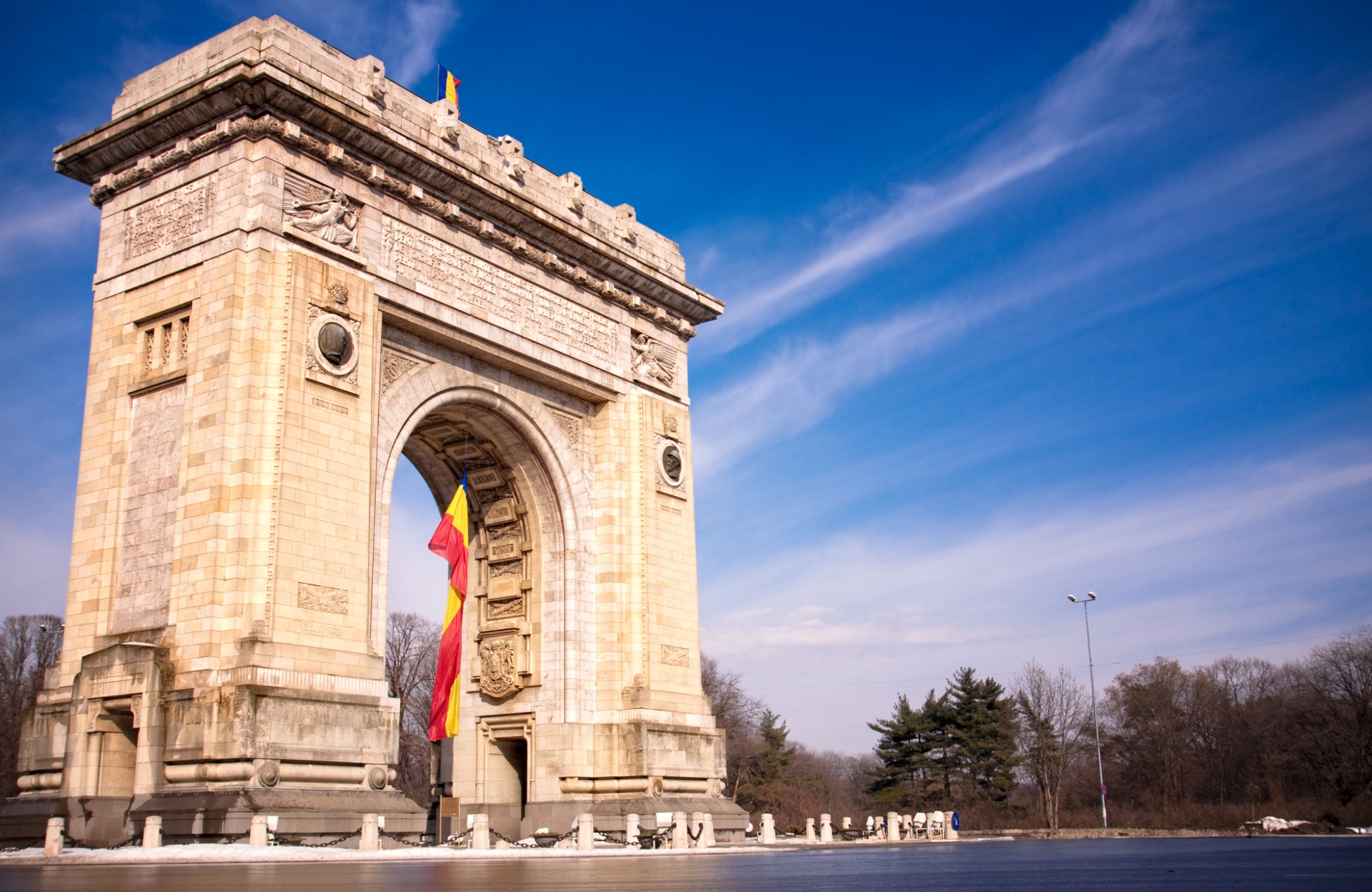
2.6. The Arch of Triumph
Inspired by the Arc de Triomphe in Paris, this monument was built to commemorate Romania's participation in World War I. At certain times of the year, you can climb to the top platform for a panoramic view of the city.
2.7. Calea Victoriei
One of the most famous streets in Bucharest, Calea Victoriei, is the ideal place to explore the history and culture of the city. Along this street, you will find historic buildings, luxury hotels, elegant shops, and many tourist attractions, including the National Museum of History and the National Military Circle.
2.8. The Botanical Garden
The "Dimitrie Brândză" Botanical Garden in Bucharest is a peaceful place where you can admire a wide variety of plants, including rare and exotic species. The garden offers a space for relaxation away from the city's hustle and bustle.
3. Activities
3.1. Walking and Guided Tours
There are many guided tours that offer the opportunity to discover Bucharest in depth. You can choose tours focused on history, architecture, or even the hidden stories of the city. Walking or cycling tours are popular and allow you to explore the city at a leisurely pace.
3.2. Shopping
Bucharest is an ideal place for shopping, from modern malls like Băneasa Shopping City and AFI Cotroceni to designer boutiques and antique shops in the Old Town. Lipscani Street is known for its small shops with unique souvenirs and gifts.
3.3. Nightlife
Bucharest has a vibrant nightlife with a wide range of bars, clubs, and restaurants. The Old Town is the epicenter of nightlife, but other areas like Dorobanți and Floreasca are known for their chic venues.
Bucharest offers a wide range of accommodation options, from international luxury hotels to boutique guesthouses and serviced apartments. Central areas such as Piața Unirii, Piața Romană, and the Old Town are the most convenient for access to the main attractions.
5. Gastronomy
Bucharest's gastronomy is diverse and rich, reflecting traditional Romanian as well as international influences. The city's restaurants offer everything from authentic Romanian dishes like sarmale, mici, and tripe soup to refined international cuisine. In the Old Town, you will find many restaurants, cafes, and patisseries where you can enjoy local and international delicacies.
6. Useful Tips
- Transport: Bucharest has a well-developed public transport system, including buses, trolleybuses, trams, and the metro. The metro is often the fastest way to travel between the main points of interest.
- Safety: Bucharest is generally a safe city, but it is advisable to be cautious in very crowded areas and avoid poorly lit streets at night.
- Language: Although the official language is Romanian, English is widely spoken in tourist areas and in hotels, restaurants, and shops.
Bucharest is a city that combines the past with the present, offering a rich cultural experience and numerous opportunities for entertainment and relaxation. Whatever your interests, Romania's capital has something to offer every visitor.
Accommodation recommendations: Taco Hotel, Eos Hotel, Chic Studio, Queen Hotel.